
History of the Student Council
The Student Council has existed since 1932 and is therefore a student organization with many proud traditions.
Below you can read about and get an overview of the most important points in the history of the Student Council.
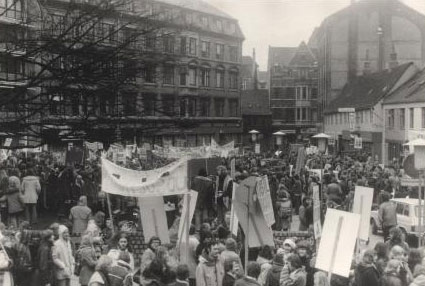
1932
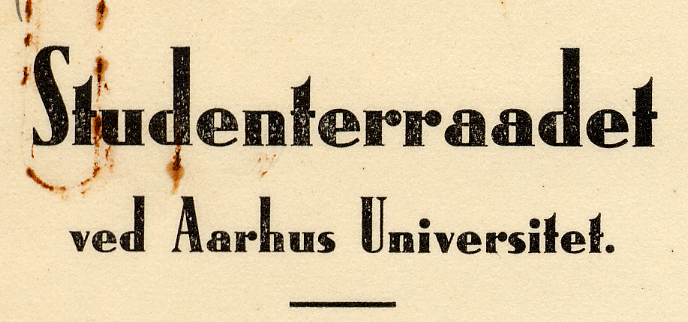
On 11 February, the Student Council is founded and recognized by the university as a representation of the university’s students. However, the process of founding the Student Council is characterized by caution: First, a committee is set up to gather information about the teachers’ assembly’s position on the idea, before it is realized at a student meeting where the mayor of the city and the chairman of the teachers’ assembly are also present. This caution also characterized the Student Council’s work in the following years until the early 1960s.
1962-1968
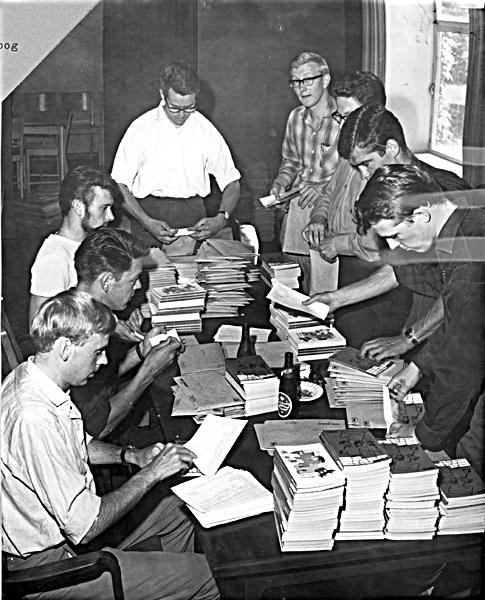
During this period, the Student Council begins to engage in more regular student political work, characterized by the view that the education system should be evaluated based on social criteria rather than purely academic ones.
At the same time, students become more vocal: they demand changes in educational policy objectives, question the purpose of the chosen curriculum and so on.
1968
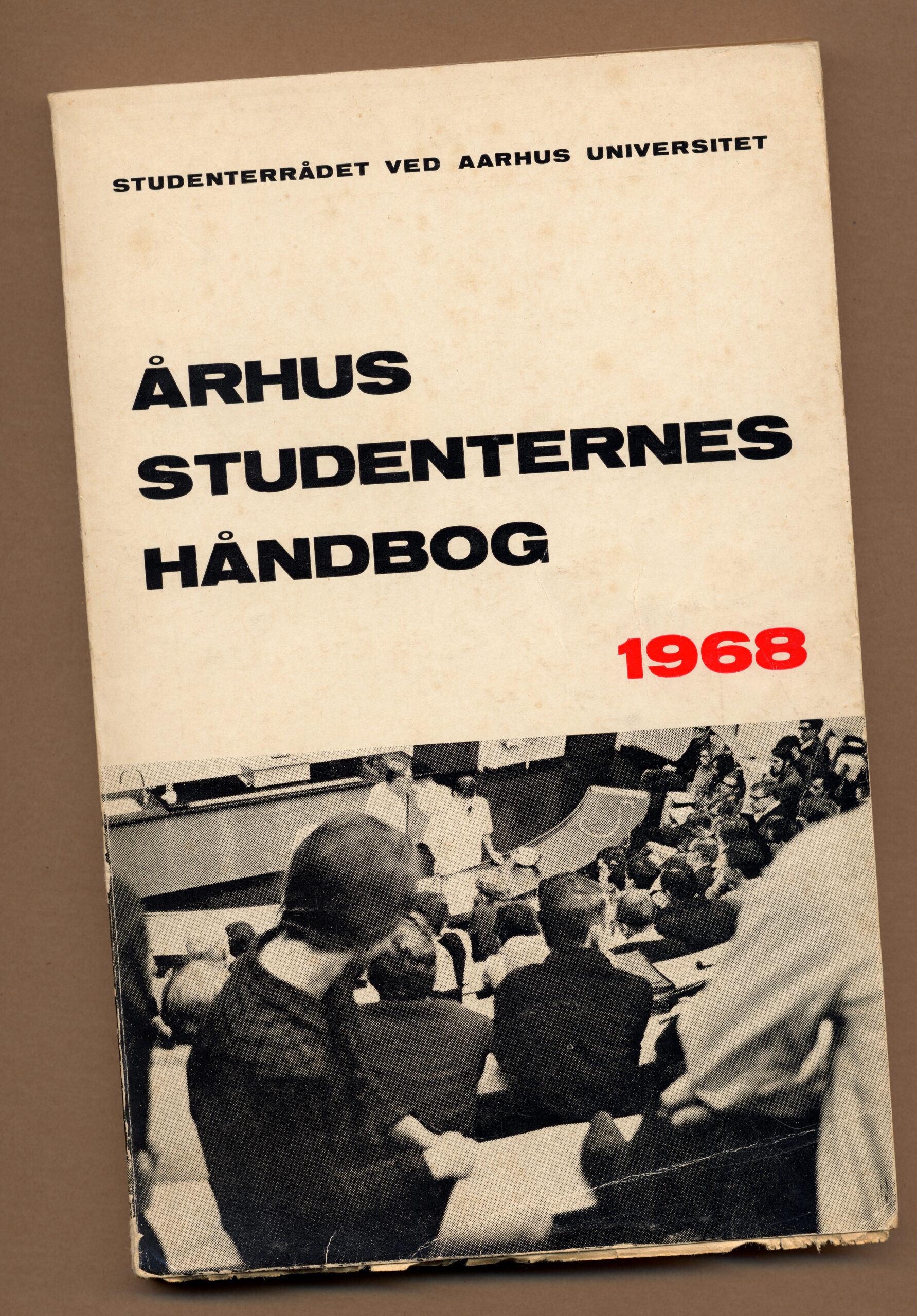
This year, the criticism culminates in the famous student rebellion. Down with the professors and in with socially relevant education and student influence are the slogans. At this time, the student council is characterized by ideological factions, with predominantly left-wing students. The Student Front is the largest of these, and it is behind many actions in favor of views similar to those of the Student Council.
The time after the student rebellion is one of the most important for the Student Council, as two crucial things happen during this period: The students manifest themselves as an independent interest group that manages to make themselves visible both inside and outside the university walls. In addition, the students gain influence on the university’s leadership.
1971
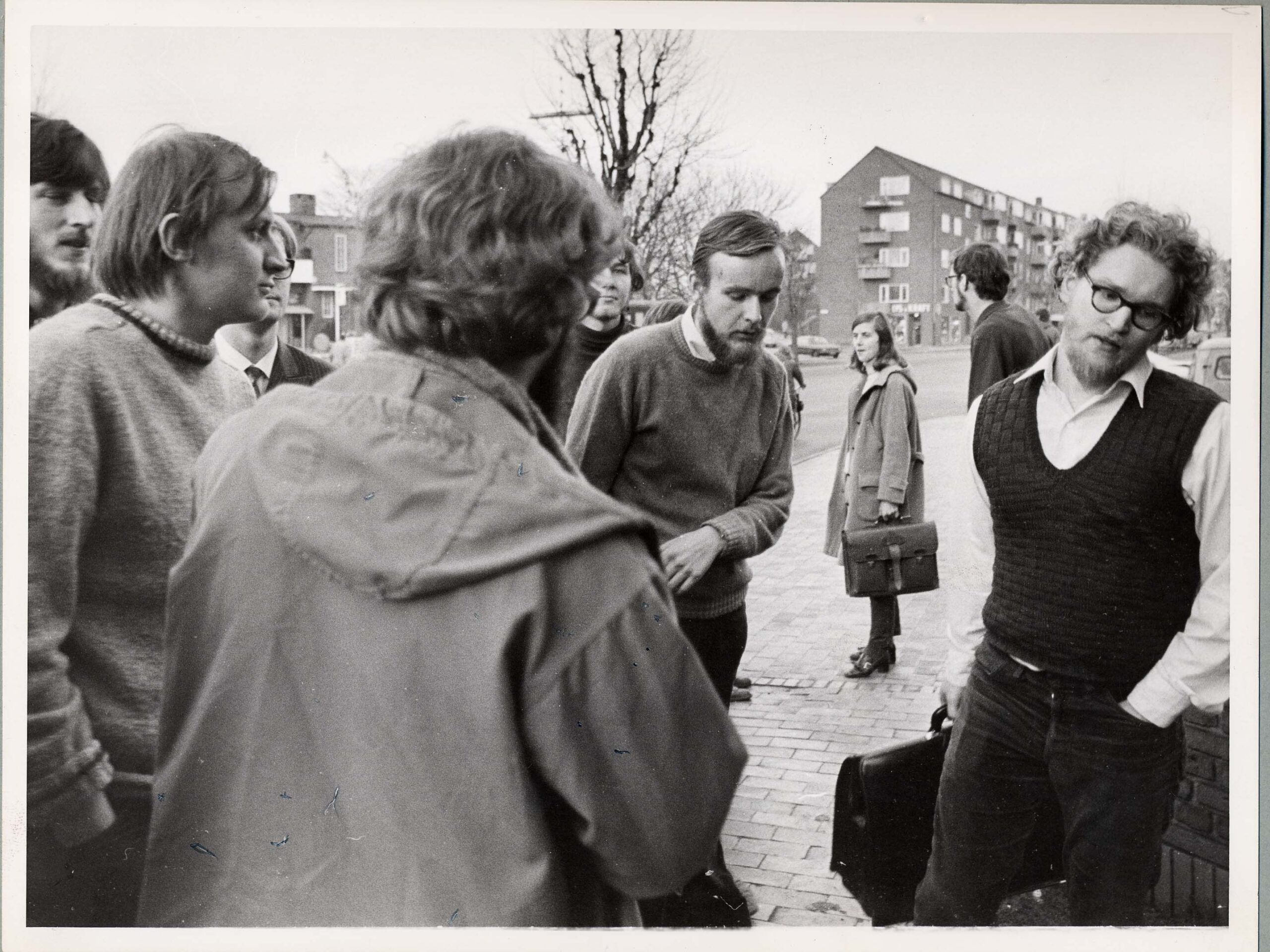
The Governance Act is enacted, but is met with large and violent demonstrations. This is because the law repeals the 1921 royal decree that recognized the student councils at the country’s universities as the students’ representatives. Instead, politicians, encouraged by the most persistent factionalists in the Student Council, introduce a list election for student representatives in the governing bodies. The Student Council sees this as interference in the students’ organizational affairs and chooses to boycott the work of the governing bodies in the hope of changing the law.
1973
Under the new government, there are plans to change the Governing Bodies Act, but this does not happen, and the aforementioned conditions regarding list elections are maintained. However, the Student Council still chooses to join the Governing Bodies.